There is that one moment in spring when I leave the house in the morning and briefly consider turning back. The sun is shining, the sky is blue, yet a wind blows through the streets that reminds me of my grandmother, who always said April does what it wants. It is precisely during these weeks that I decide every year anew whether my wardrobe is well organized or not. Anyone who only has thick winter coats or thin summer blouses now will either freeze or sweat. The right transitional jacket is therefore not a luxury for me, but a tool. Over the past few years, I have tried many things, given some away, and grown to love others. In this post, I share my very personal favorites for the 2026 season, from the classic trench coat love to the cozy cardigan that isn’t really a jacket and that’s exactly why it works so well.
Why the transitional period is so underestimated
Most fashion tips focus on summer or winter. Yet it is exactly these weeks between March and May, when we have ten degrees in the morning and twenty in the afternoon, that our clothing has to perform the most. A good transitional jacket warms without weighing you down. It can be stowed in your bag when the sun comes out. It fits just as well with office outfits as with weekend walks. And it looks good without making you feel like you’re dressed up. That sounds like a long list, but if you know the right cuts and materials, it’s less complicated than you might think.
I have learned that in spring I like to think in layers. A light blouse or a thin sweater underneath, with something on top that blocks the wind or warms the shoulders. This layering method also works wonderfully when traveling because I don’t have to carry several bulky pieces. Three to four well-thought-out layers are enough for almost any weather spring throws at me.
The trench coat, my timeless companion
I admit, I have been a trench coat fan for as long as I can remember. The cut has remained almost unchanged for decades, and there is a reason for that. A well-fitting trench coat looks just as good over jeans as it does over a work dress. It does something to your posture, I think. As soon as I put it on, I stand straighter, swing my bag a little more confidently over my shoulder, and feel ready for any appointment.
My current favorite is the Aida Classic Trench Coat, a model with just the right mid-length cut. It ends just above the knee, which makes it versatile. The fabric is sturdy enough not to flutter in the wind but light enough to wear comfortably even at twelve to fifteen degrees Celsius. The classic button placket, the tie belt, and the epaulette-like shoulder details are exactly what make a trench coat a trench coat. Without these details, it would just be a coat.

What I especially appreciate is the versatility in color. Beige goes with almost everything, from black to navy blue to pastel tones. If you don’t yet have a trench coat in your wardrobe, you should start with a classic beige. You can never go wrong with it, and later you can complement the piece with darker models if you want some variety.
Cardigans, the underestimated transitional jacket
Cardigans are often dismissed as indoor clothing. I find that a shame because a thick, well-cut cardigan can really replace a jacket, especially if it is knee-length or longer. In April and May, I often wear just a long cardigan over a T-shirt and jeans when I quickly go to get bread rolls or meet a friend at a café. It feels relaxed but still looks put together.
The Ailey Cardigan with a slim, modern silhouette is exactly such a piece. It’s cozy without adding bulk, and the slim cut makes it suitable for everyday wear. I can wear it under a jacket when it gets cooler or wear it solo when the sun comes out. This flexibility is worth its weight in gold, especially when you don’t know what the day will bring in the morning.

A tip from my experience: when buying a cardigan, pay attention to the buttons and cuffs. Loose cuffs quickly stretch out, cheap buttons fall off. Both make an otherwise beautiful piece unusable after just a few washes. Once you own a cardigan with properly sewn-on buttons, you quickly notice the difference from fast-fashion models.
Vests, the secret hero of the season
Vests have become really fashionable again in the last two years, and I understand why. They warm the upper body but leave the arms free, which is often just right for spring temperatures. I especially like to wear vests when walking or gardening, when I want to move freely and don’t want heavy sleeves in the way.
An elegant option that has fascinated me for a while is the Aeliana V-neck Vest. It works over a light blouse or a fine sweater and immediately gives the outfit structure. V-necks visually elongate and flatter the décolleté, which I find especially important for a vest because otherwise, it can quickly look a bit blocky.
What also makes vests so practical is their storage friendliness. They take up hardly any space in the closet, fold easily, and are perfect for weekend trips when you don’t know what the weather will do. I always pack one when I go to the sea or the mountains.
Materials I pay attention to
Material choice is crucial in spring. Fabrics that are too heavy make me sweat as soon as the sun shines for more than ten minutes. Fabrics that are too thin don’t block the wind. My middle ground is blended fabrics, often with a cotton content for breathability and a touch of synthetic fiber for shape retention.
For trench coats, I look for a sturdy, slightly water-repellent fabric. For cardigans, I prefer acrylic or wool blends that don’t itch. For vests, the fabric can be a bit more textured because the vest often becomes the main element of the outfit. What I personally avoid are smooth, shiny materials that can quickly look cheap. A bit of texture is always a plus in my opinion.
Colors for the 2026 season
The big fashion shows this year have shown a lot of natural tones. Beige, warm brown, sage green, and dusty pink are everywhere. I find this palette wonderful because it combines well and stays current for more than just one season. If you want to set a bold accent, you can do so with accessories, for example, a red bag or a turquoise scarf.
Personally, I prefer neutral tones for transitional jackets because then I can play with patterns and colors underneath. A beige jacket over a floral dress looks cheerful without being overwhelming. A cream cardigan over a striped shirt and dark jeans is my standard outfit for relaxed days.
How I style transitional jackets
A question I am often asked is how to style transitional jackets with confidence. My trick is the three-piece rule. I try to build my outfit from three visible main elements: the jacket, the top, and the pants or skirt. Shoes and bag are accents that I choose to match.
For example, the Aida trench coat, a white blouse, and dark blue jeans. Add white sneakers or simple loafers, and the outfit is ready for a café visit or a casual meeting. When it gets cooler, the Ailey cardigan goes under the trench coat, and suddenly I have a fourth layer without it looking overloaded.
For slightly more elegant occasions, I like to wear a dress, the Aeliana vest, and a long coat or trench coat variant. The vest creates a flattering silhouette, and the coat provides warmth. This combination works for theater visits, restaurant evenings, or invitations where you want to look neither too casual nor too formal.
Care to keep jackets looking good for a long time
Transitional jackets are often worn and just as often hung half-damp in the closet. That’s poison for fabric and cut. I hang my jackets on a wide hanger after each wear so the shoulders keep their shape. If the jacket is wet, I let it dry in a well-ventilated place, never directly on the radiator, because that makes the fabric stiff.
Trench coats shouldn’t be washed too often, as that damages the water-repellent finish. Once per season is usually enough; in between, I clean stains spotwise with a damp cloth. I wash cardigans on the wool cycle or, for particularly fine pieces, by hand. Vests usually tolerate a normal wash, but here too, cold is better than warm to preserve the shape.
Invest or buy quickly
The honest answer is that both have their place. For a classic trench coat, I would always invest in quality because this piece is worn for years. For cardigans, you can also buy cheaper as long as the workmanship is good. Vests are a good compromise because they are less stressed and also last long in a mid-price range.
What I have developed over the years is a kind of test before buying. I put the piece on, raise my arms, turn around, sit down briefly. If it pinches, distorts, or becomes uncomfortable, it doesn’t come home with me. A garment that you can’t wear comfortably in the store won’t be worn often in everyday life either.
My spring capsule for the transitional season
If I had to choose only five pieces for spring, they would be a classic trench coat, a neutral cardigan, an elegant vest, a light blouse, and a well-fitting pair of jeans. With this base, countless combinations can be created, from casual to festive. Anyone who adds a summer dress and a few matching shoes is prepared for any weather situation.
Capsule wardrobes have been trendy for years, and I find the idea behind them wonderful. Own less but higher quality and more thoughtfully—that saves time, money, and nerves. Besides, it’s more relaxing to stand in front of a tidy closet in the morning than in an overflowing one where you still can’t find anything.
Where I like to browse most
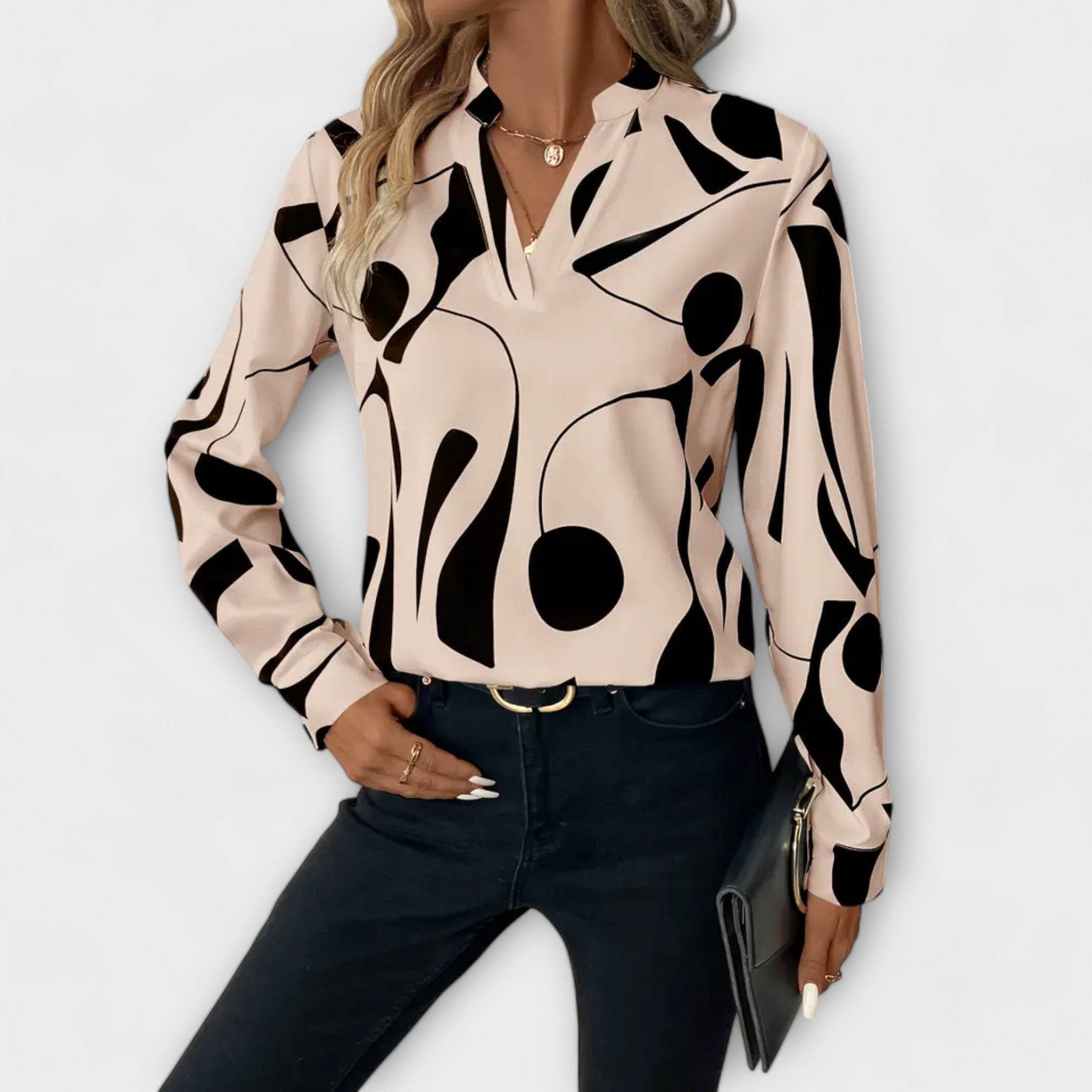
I now mostly buy my transitional jackets online simply because the selection is larger and I can compare calmly. What’s important to me is a clear size chart, good product photos, and honest material information. At Roborro, I find exactly that: a well-thought-out selection of women’s fashion with pieces really meant for everyday life. Anyone who wants inspiration can browse the entire collection at roborro.com/collections/all.
I hope this little tour through my world of transitional jackets has given you some ideas. The next few weeks are the perfect time to reorganize your wardrobe, say goodbye to old pieces, and make room for new favorites. Maybe one of my favorite pieces will become yours too. Enjoy the spring sunshine, dress warmly enough, and don’t let the mild evenings catch you by surprise. And remember, a jacket you really love is one you wear often. That is ultimately the best measure for any purchase.